Swiss Rail Passes Compared: Which Pass for Which Trip (2026)
 +4
Which Swiss rail pass should you buy? For most first trips the honest answer is the Swiss Half Fare Card at CHF 150, not the famous Swiss Travel Pass. The Swiss Travel Pass (from CHF 254) only pays off if you take long train journeys on most days of your trip; a regional pass like the Bernese Oberland Pass or the Jungfrau Travel Pass wins if you stay in one area; and a Saver Day Pass from CHF 29 beats every pass on a few long travel days booked early. Below: all passes with 2026 prices, a three-question test and a table matching classic routes to the cheapest ticket. We travelled by car in July 2026 without a pass, so every calculation uses official fares. All other planning topics are in good to know before you go.
Swiss Activities sells the Half Fare Card, the Swiss Travel Pass and the regional passes as mobile tickets at the official prices, from CHF 150 for the Half Fare Card (Oct 2026).
Compare Swiss rail passesSwiss rail passes 2026 at a glance
| Pass | Price 2026 (2nd class, adult) | Best for |
|---|---|---|
| Swiss Travel Pass | CHF 254 (3 days) to 499 (15 days) | Touring the country by train almost every day |
| Swiss Travel Pass Flex | CHF 289 to 519 | Long trips with only a few train days |
| Swiss Half Fare Card | CHF 150 for one month | Most trips; halves trains, boats and most mountains |
| Saver Day Pass | from CHF 52, with Half Fare Card from CHF 29 | A few long travel days booked early |
| Bernese Oberland Pass | CHF 240 (3 days) to 435 (10 days) | A week around Interlaken, Brienz or Lauterbrunnen without a car |
| Jungfrau Travel Pass | CHF 210 (3 days) to 330 (8 days) | A few days in Grindelwald, Wengen or Lauterbrunnen with the Jungfraujoch |
| Lucerne Travel Pass, Matterhorn Gotthard Pass, Graubündenpass | from CHF 240, 114 and 125 (Swiss Activities) | Central Switzerland, Valais, Graubünden |
| Swiss Family Card | free | Children 6 to 15 travel free with a parent’s pass or Half Fare Card |
Prices from Swiss Travel System, Jungfrau Railways, berneseoberlandpass.ch, SBB and Swiss Activities, checked in October 2026. US dollars at 1 CHF = 1.21 USD.

The three-question test
Three questions decide the right Swiss rail pass: do you drive, do you stay in one region, and how many long train days do you have?
- Do you drive? Then no pass. On our own week by car, single tickets cost CHF 257 per adult, the Half Fare Card would have cost CHF 302.50 and the Swiss Travel Pass CHF 539.70.
- Do you stay in one region? Then the regional pass usually beats the national passes, because it makes the big mountain railways free instead of half price. For our week without a car, the 6-day Bernese Oberland Pass would have saved CHF 140.40, the Swiss Travel Pass only CHF 12.20.
- How many long train days? Count days with a journey of CHF 70 or more at full fare, such as Zurich Airport to Interlaken (CHF 77). If most pass days look like that, calculate the Swiss Travel Pass; if only two or three do, the Half Fare Card or Saver Day Passes are cheaper.
The numbers for our week come from our Bernese Oberland Pass calculation, where every ticket of the trip is listed.
Swiss Travel Pass: the all-in ticket
The Swiss Travel Pass costs CHF 254 for 3 days, CHF 399 for 6 days and CHF 499 for 15 days in second class in 2026 (about US$307, US$483 and US$604). It covers all trains, buses and boats, city transport in more than 90 towns and more than 500 museums, makes Rigi, Stanserhorn and Stoos free and gives up to 50 percent off most other mountain railways.
The pass does not make the Schilthorn, the Jungfraujoch or the Gornergrat free, and the Half Fare Card halves most mountain railways too, so the pass only pulls ahead with many train kilometres. In our calculations it lost to the Half Fare Card on a six-day loop from Zurich Airport via Interlaken and Lucerne by CHF 105, and it was level with it on an eight-day tour that added Zermatt. Our full analysis with four real itineraries is in is the Swiss Travel Pass worth it.
The pass is right for you if you change hotels every two or three days and cross the country on most days. Travellers under 25 pay about 30 percent less, which often tips the balance. In October 2026 Klook also showed discount codes (for example 5 percent from US$300; the cart shows whether one applies), so we show Klook first and Swiss Activities second.
Travelling without a car? The Swiss Travel Pass covers trains, buses and boats across the country and gives discounts on many mountain railways. Our pass guide shows when it pays off. Tip: Klook often shows discount codes at checkout (in October 2026 for example 5% off orders over US$300); whether one applies to the pass you see in the cart.
Check Swiss Travel Pass pricesSwiss Travel Pass Flex
The Swiss Travel Pass Flex gives you 3, 4, 6, 8 or 15 travel days that you pick freely within one month, for CHF 289 to CHF 519 in second class. It costs CHF 20 to 40 more than the consecutive pass of the same number of days, and all its benefits, including mountain discounts and museums, only apply on days you have activated online.
Flex wins when your trip is clearly longer than your travel days, for example twelve days in Switzerland with six days on the move. If you travel almost every day, the cheaper consecutive pass is better. The cases with real fares are in Swiss Travel Pass Flex or consecutive.
 PDF · 18 pages
Free PDF guide
Planning the Bernese Oberland? Don't go without this.
Our free guide, made from our own week there: the 11 places really worth your time, a ready-made 3-day route, and the pass trick that cuts the Schilthorn from CHF 115 to CHF 45.70.
- The 11 best places on one hand-drawn map, all within an hour of Interlaken
- A 3-day route that puts the Schilthorn on your clearest morning
- The ticket mistake that costs many visitors over CHF 100
- When to reach the famous Iseltwald pier before the crowds
- Every link with a QR code: use it on your phone or print it
Your free Bernese Oberland Guide
100% free · PDF straight to your inbox · Unsubscribe in one click
Swiss Half Fare Card
The Swiss Half Fare Card costs CHF 150 (about US$182) for one month and halves every train, bus and boat ticket and most mountain railways. It is the best value for most visitors, because it pays for itself once your full-fare tickets in that month add up to more than CHF 300, and you stay completely flexible.
The Schilthorn then costs CHF 57.50 instead of CHF 115, and you get the Saver Day Pass from CHF 29 and the reduced regional passes. The price went up from CHF 120 at the start of 2026, so older blogs set the break-even point too low. Details are in our guide to the Swiss Half Fare Card.
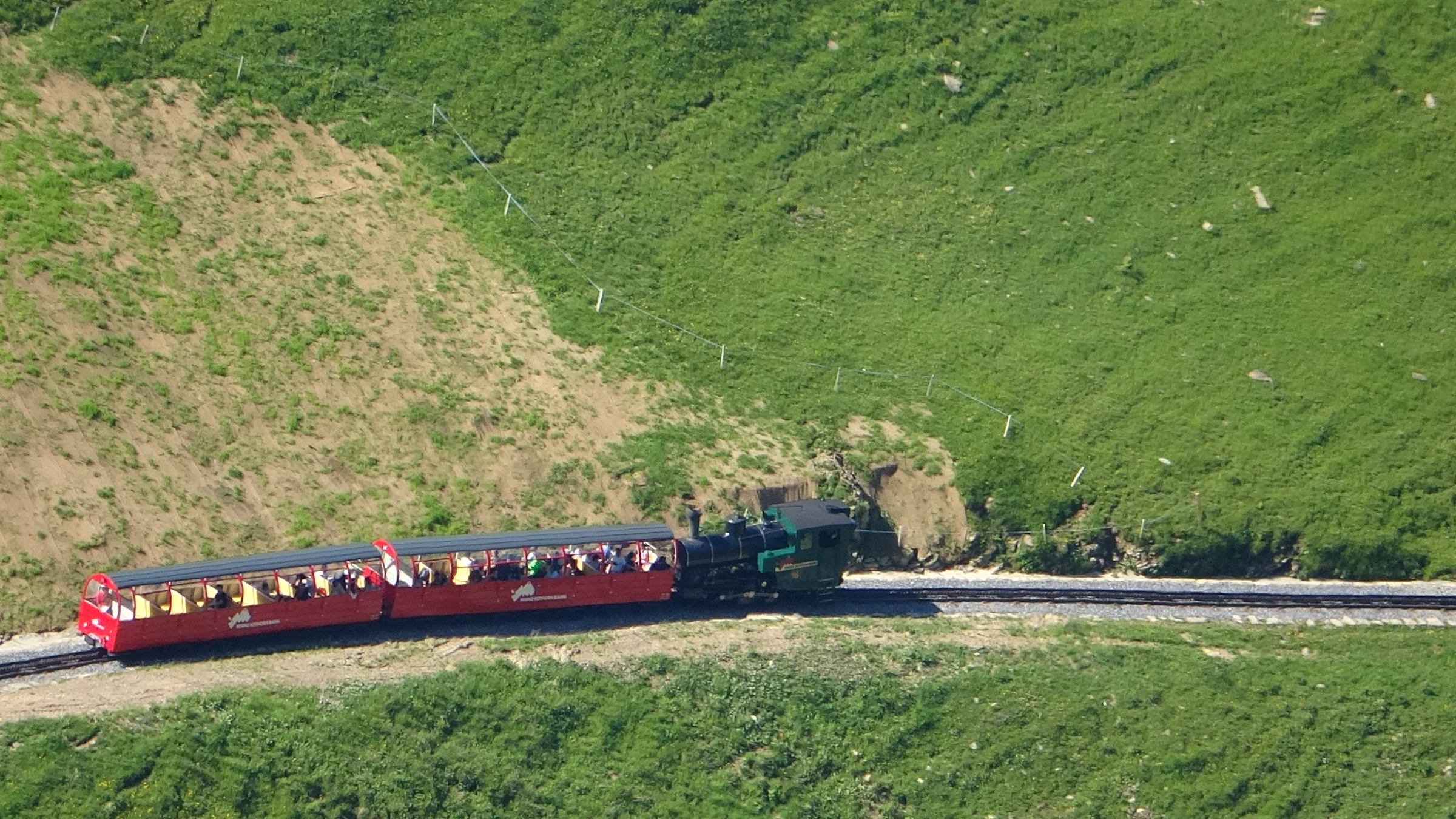
Saver Day Pass
The Saver Day Pass gives you unlimited travel on one fixed day on the whole network where the GA travelcard is valid, from CHF 52 in second class or from CHF 29 with a Half Fare Card. It is sold in price levels: the earlier you buy, up to six months ahead, the more likely you get the low price. It is not refundable.
Three Saver Day Passes at the lowest level cost CHF 156, against CHF 297 for the single tickets Zurich Airport to Interlaken, Interlaken to Zermatt and back to the airport. The catch is the price level: ten days ahead of a Wednesday in late October, SBB wanted CHF 79 for that airport to Interlaken day, two francs more than the single ticket. How to get the low prices is in our Saver Day Pass guide.
Swiss Activities sells the Half Fare Card, the Swiss Travel Pass and the regional passes as mobile tickets at the official prices, from CHF 150 for the Half Fare Card (Oct 2026).
Compare Swiss rail passesRegional passes
A regional pass covers trains, buses, boats and many mountain railways in one area for several consecutive days, and it beats the national passes when you stay there, because it makes the big local mountains free.
| Regional pass | Price 2026 | Highlights included |
|---|---|---|
| Bernese Oberland Pass, 3 to 10 days | CHF 240 to 435, reduced CHF 168 to 316 | Schilthorn, Brienzer Rothorn, Niesen, Schynige Platte, Männlichen, boats on Lake Thun and Lake Brienz; not the Oeschinensee since 2026 |
| Jungfrau Travel Pass, 3 to 8 days | CHF 210 to 330, reduced CHF 165 to 255 | Grindelwald First, Harder Kulm, Schynige Platte, Männlichen, Mürren, both lakes; Jungfraujoch from CHF 89 extra |
| Lucerne Travel Pass (formerly Tell Pass), 3, 4, 5 or 10 days | from CHF 240 | Trains, buses, boats and many mountain railways in Central Switzerland; no discount for Half Fare holders |
| Matterhorn Gotthard Pass, 2, 3 or 5 days within a month | from CHF 114 | Matterhorn Gotthard Railway network; Gornergrat 50 percent |
| Graubündenpass, 2 or 5 consecutive days | from CHF 125, one zone from CHF 82 | Rhaetian Railway including the Bernina Express route, PostBus in Graubünden; reservations extra |
The Bernese Oberland Pass is the best pass for a week based in Brienz, Interlaken or the Lauterbrunnen Valley without a car. The Jungfrau Travel Pass is cheaper per day and wins when the Jungfraujoch is your main goal, because pass holders pay only CHF 89 for the last section (May to October 2026, seat reservation included). Separate guides cover the Lucerne Travel Pass, the Matterhorn Gotthard Pass and the Graubündenpass, which we have not used ourselves.
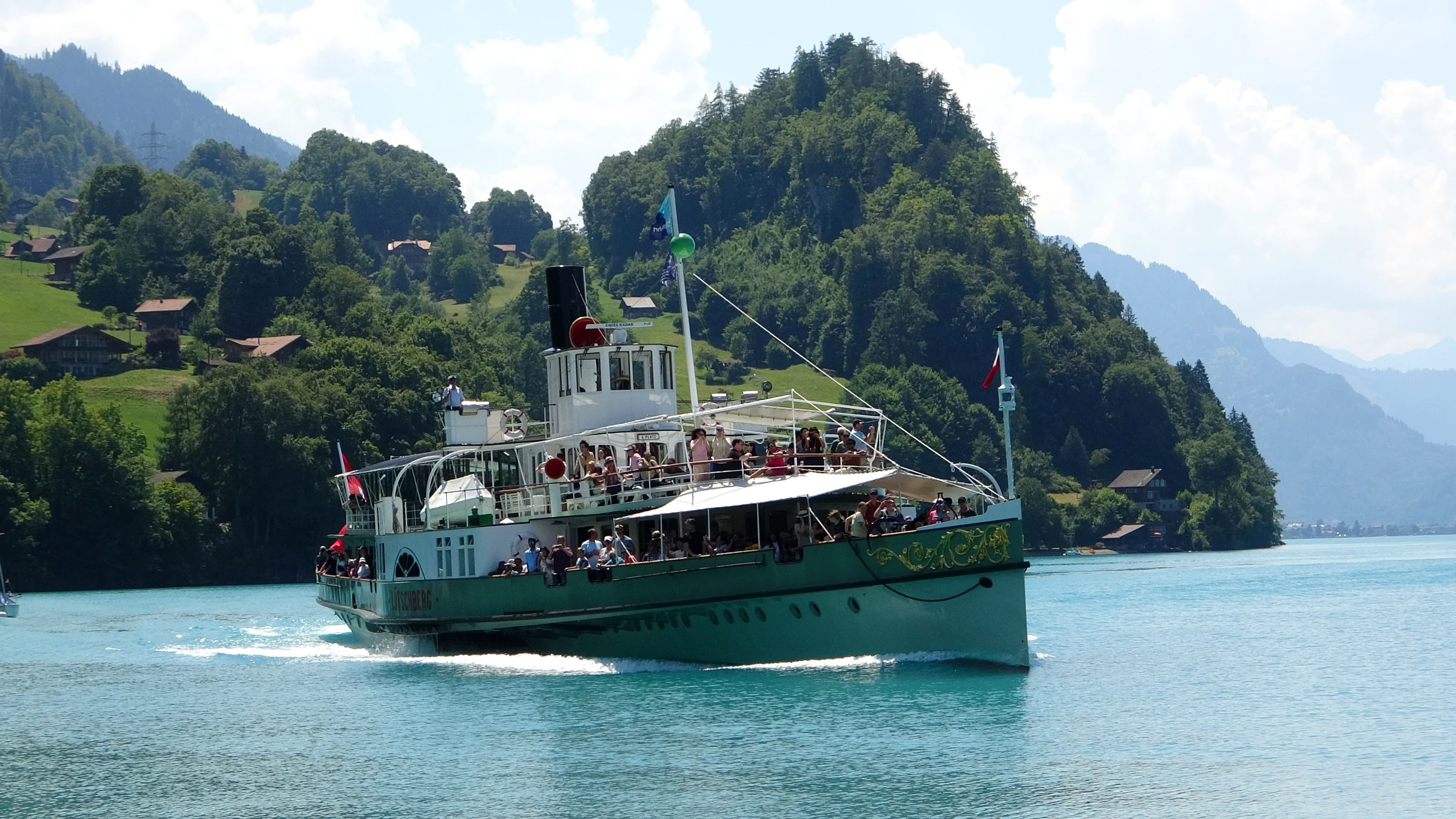
50% on trains, boats and most mountain railways for one month
Check prices & availability3 to 15 consecutive days, all trains, buses and boats
Check prices & availability3 to 15 days of your choice within one month
Check prices & availabilityOne day, whole country; cheapest when booked early
Check prices & availability3 to 10 days; Schilthorn and Rothorn free
Check prices & availability3 to 8 days around Grindelwald, Wengen and Mürren
Check prices & availability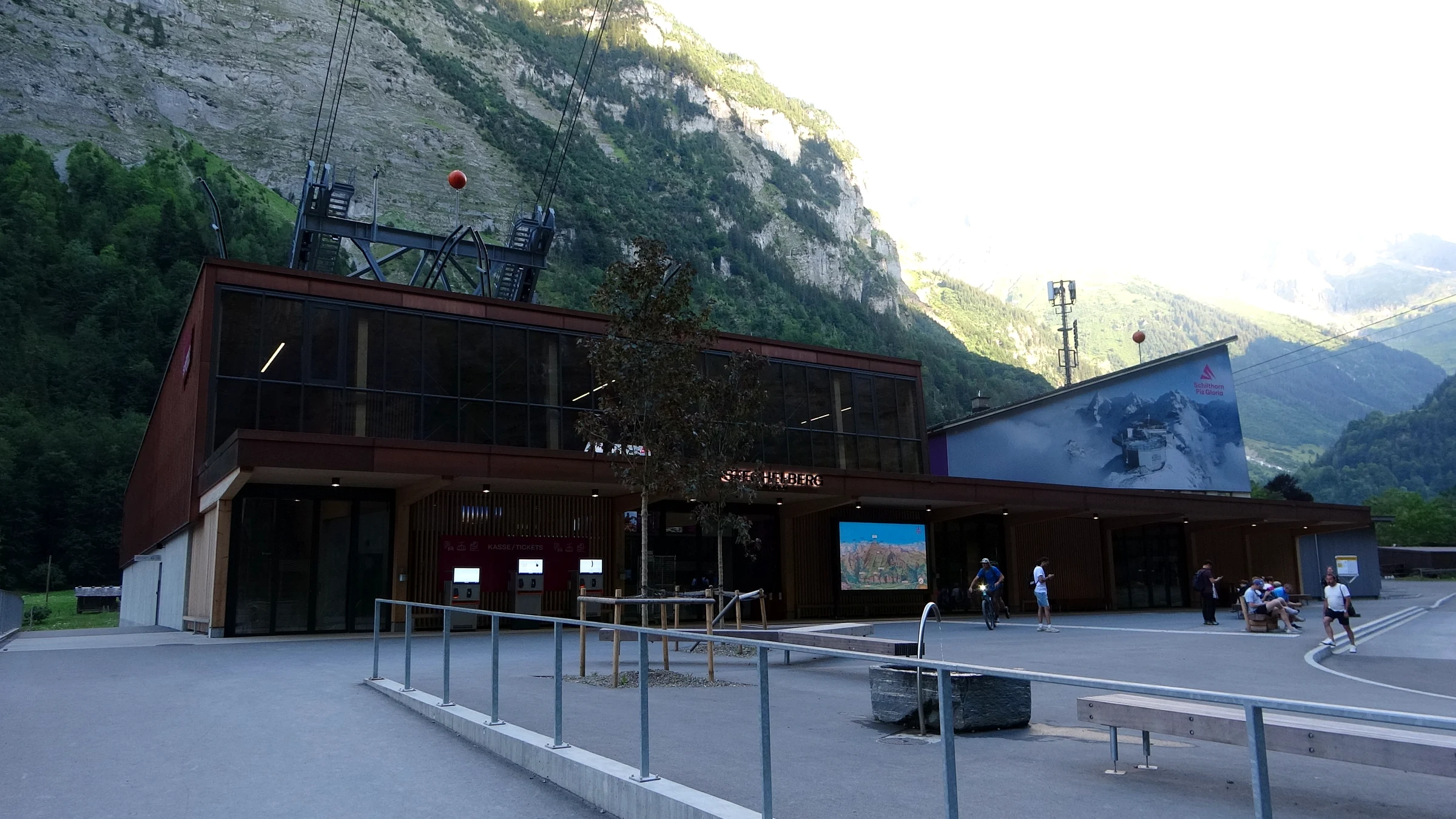
City cards and the Family Card
City cards are worth it for a stay in one city, and the Swiss Family Card is the most valuable free ticket in the country. The Zurich Card costs from CHF 29 for 24 hours (CHF 56 for 72 hours; new prices apply to start dates from December 13, 2026) and includes public transport between the airport and the city plus many museums.
For a city day after landing, the Zurich Card covers the airport transfer and the trams. With the free Swiss Family Card, children from 6 to 15 travel free when a parent has a Swiss Travel Pass or Half Fare Card, so a family decides exactly as the parents alone would.
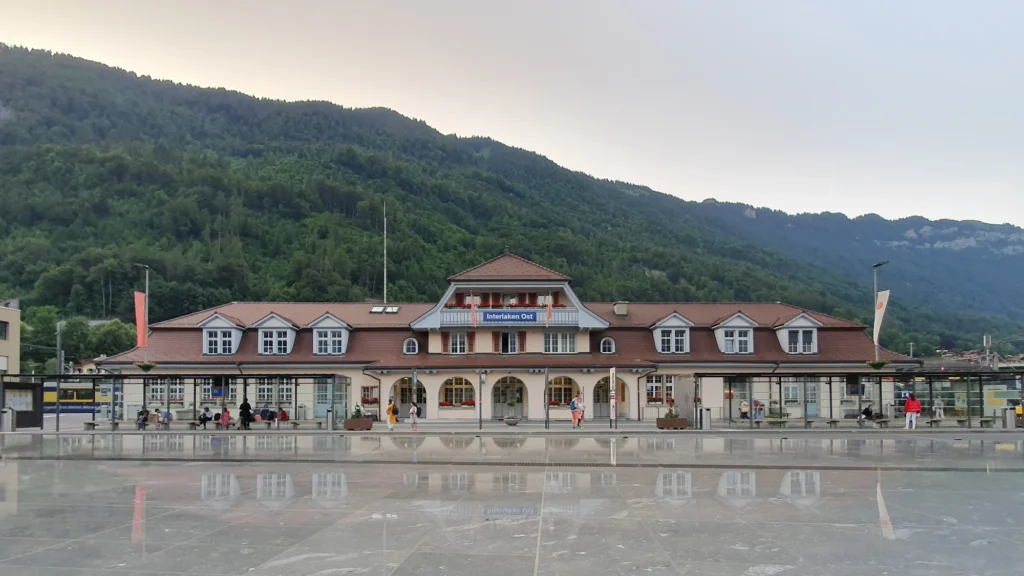
Which pass for which itinerary
The cheapest pass depends on the route, not on the length of the trip. Our calculations with October 2026 full fares, per adult in second class:
| Itinerary | Cheapest option | Why |
|---|---|---|
| One week in the Bernese Oberland by car (our trip) | Single tickets, CHF 257 | Half Fare Card CHF 302.50, Swiss Travel Pass CHF 539.70 |
| Same week without a car | Bernese Oberland Pass, 6 days: CHF 439 | Single tickets CHF 579.40, Half Fare Card CHF 467.70, Swiss Travel Pass CHF 567.20 |
| 6 days: Zurich Airport, Interlaken, Lucerne | Half Fare Card: CHF 388.70 | Single tickets CHF 478.40, Swiss Travel Pass CHF 493.70 |
| 8 days: Zurich, Lucerne, Interlaken, Zermatt | Half Fare Card or Swiss Travel Pass, about level | Half Fare CHF 490.40 to 532.40, pass CHF 533.70, single CHF 681.80 |
| 3 days around Grindelwald with the Jungfraujoch | Jungfrau Travel Pass: CHF 299 | Half Fare Card CHF 377.40, single tickets CHF 445.80 |
| Two weeks with three long transfer days | Saver Day Passes booked early | From CHF 156 for three days, 3-day Flex CHF 289 |
The pattern: the Swiss Travel Pass rarely wins by much, a regional pass wins clearly when you stay put.

Check your own route with the Rail Pass Finder
Add up the full fares of your journeys, or let a tool do it: the Rail Pass Finder of Swiss Activities takes your stops and dates, fetches every fare from the official timetable and compares single tickets with the Swiss Travel Pass and the Half Fare Card.
Add mountain railways yourself. Our rule of thumb: the Swiss Travel Pass beats the Half Fare Card when your full-fare train, bus and boat tickets reach twice the pass price minus CHF 150, for the 6-day pass CHF 498 or CHF 83 per pass day.
Where to buy and what it costs to buy
National passes cost the same everywhere, because Swiss Travel System sets minimum prices; sellers differ only in service, fees and cancellation terms. You buy them online as a mobile ticket or at Swiss stations.
- Official prices: Swiss Activities lists the Half Fare Card, Flex, regional passes and Saver Day Passes at the operators’ prices, which we compared in October 2026.
- Only for visitors: the Swiss Travel Pass, the Flex and the Swiss Half Fare Card are only sold to people living outside Switzerland and Liechtenstein.
- Price changes: public transport fares in Switzerland rise by 3.6 percent on average with the timetable change in December 2026. For trips in 2027, check the price for your start date before you buy.
Our summary after all these sums: the Half Fare Card is the default, a regional pass wins when you stay in one region, and the Swiss Travel Pass only when the arithmetic clearly says so. Our Bernese Oberland guide has the prices of every place we visited.
Swiss Activities sells the Half Fare Card, the Swiss Travel Pass and the regional passes as mobile tickets at the official prices, from CHF 150 for the Half Fare Card (Oct 2026).
Compare Swiss rail passesFAQ: Swiss rail passes
What is the best rail pass for Switzerland?
For most first trips the Swiss Half Fare Card at CHF 150 is the best value. The Swiss Travel Pass is better for tours with long train journeys on most days, a regional pass for a stay in one region.
Is the Swiss Travel Pass or the Half Fare Card better?
On six days from Zurich Airport via Interlaken and Lucerne the Half Fare Card was CHF 105 cheaper; on eight days including Zermatt they were level.
Which pass is best for Interlaken and the Jungfrau region?
For a week without a car, the Bernese Oberland Pass. For a few days focused on the Jungfraujoch, Grindelwald First and Harder Kulm, the Jungfrau Travel Pass, because the Jungfraujoch then costs only CHF 89 more.
Is a rail pass worth it if I rent a car?
Usually not. On our week by car, single tickets cost CHF 257, the Half Fare Card would have cost CHF 302.50 and the Swiss Travel Pass CHF 539.70.
Do children need their own pass?
No. Children from 6 to 15 travel free with the free Swiss Family Card if a parent has a Swiss Travel Pass or Half Fare Card, and children under 6 always travel free.
Run your route through the three questions, then read the guide for the pass that fits. More planning help is in good to know before you go, and more Swiss trips start on the Swiss Detours home page.
Your free Bernese Oberland Guide
Join the Swiss Detours newsletter and get our Bernese Oberland Guide as a free PDF. After that, we send you new travel tips for Switzerland from time to time. Unsubscribe anytime with one click.