Is the Swiss Travel Pass Worth It? Real Maths with 2026 Fares
 +5
+5Is the Swiss Travel Pass worth it? Only if you ride long distances on most days of your trip. On our own week in the Bernese Oberland it would have saved just CHF 12.20 without a car and cost CHF 282.70 extra with one, and on a classic six-day loop from Zurich Airport via Interlaken and Lucerne it loses to single tickets and clearly to the Half Fare Card. It pays off on longer tours that cross the country, for example Zurich, Lucerne, Interlaken and Zermatt in eight days, and even there the Half Fare Card comes close. Below you get the official 2026 prices, what the pass covers on the mountains, four real calculations with October 2026 SBB fares, and a simple rule to check your own plan in two minutes. To be clear: we did not have a pass ourselves; we drove, and we paid every ticket of our week single, which is exactly why we could do the maths. More planning help is in good to know before you go.
Travelling without a car? The Swiss Travel Pass covers trains, buses and boats across the country and gives discounts on many mountain railways. Our pass guide shows when it pays off.
Check Swiss Travel Pass pricesSwiss Travel Pass 2026: the short answer
| Your trip | Swiss Travel Pass worth it? | Better choice |
|---|---|---|
| One region for a week, by car (our trip) | No, CHF 282.70 more than single tickets | single tickets |
| One region for a week, without a car (our route) | Barely, CHF 12.20 saved | Bernese Oberland Pass (CHF 140.40 saved) |
| 6 days: Zurich Airport, Interlaken, Lucerne | No, CHF 15.30 more than single tickets | Half Fare Card (CHF 105 cheaper than the pass) |
| 8 days: Zurich, Lucerne, Interlaken, Zermatt | Yes against single tickets (CHF 148 saved) | about level with the Half Fare Card |
| Rule of thumb | Worth it when your full-fare train, bus and boat tickets average at least CHF 70 to 83 per pass day | |
Swiss Travel Pass prices 2026 from Swiss Travel System, fares from the SBB online timetable (full fare, 2nd class, October 2026) and from the operators. US dollars at 1 CHF = 1.21 USD.
- What the Swiss Travel Pass covers
- Swiss Travel Pass prices 2026
- Mountain railways: free, 50 percent or 25 percent
- Our real week in the Bernese Oberland
- Example: six days from Zurich Airport
- Example: eight days across Switzerland
- The two-minute rule for your own trip
- Flex or consecutive days?
- Swiss Travel Pass or Half Fare Card?
- Families and travellers under 25
- What the pass does not cover
- Our verdict
- FAQ
What the Swiss Travel Pass covers
The Swiss Travel Pass is a rail pass for visitors living outside Switzerland and Liechtenstein. For 3, 4, 6, 8 or 15 days it covers all trains, buses and boats of the Swiss public transport network, city transport in more than 90 towns, free entry to more than 500 museums, three mountains for free and up to 50 percent off most other mountain railways.
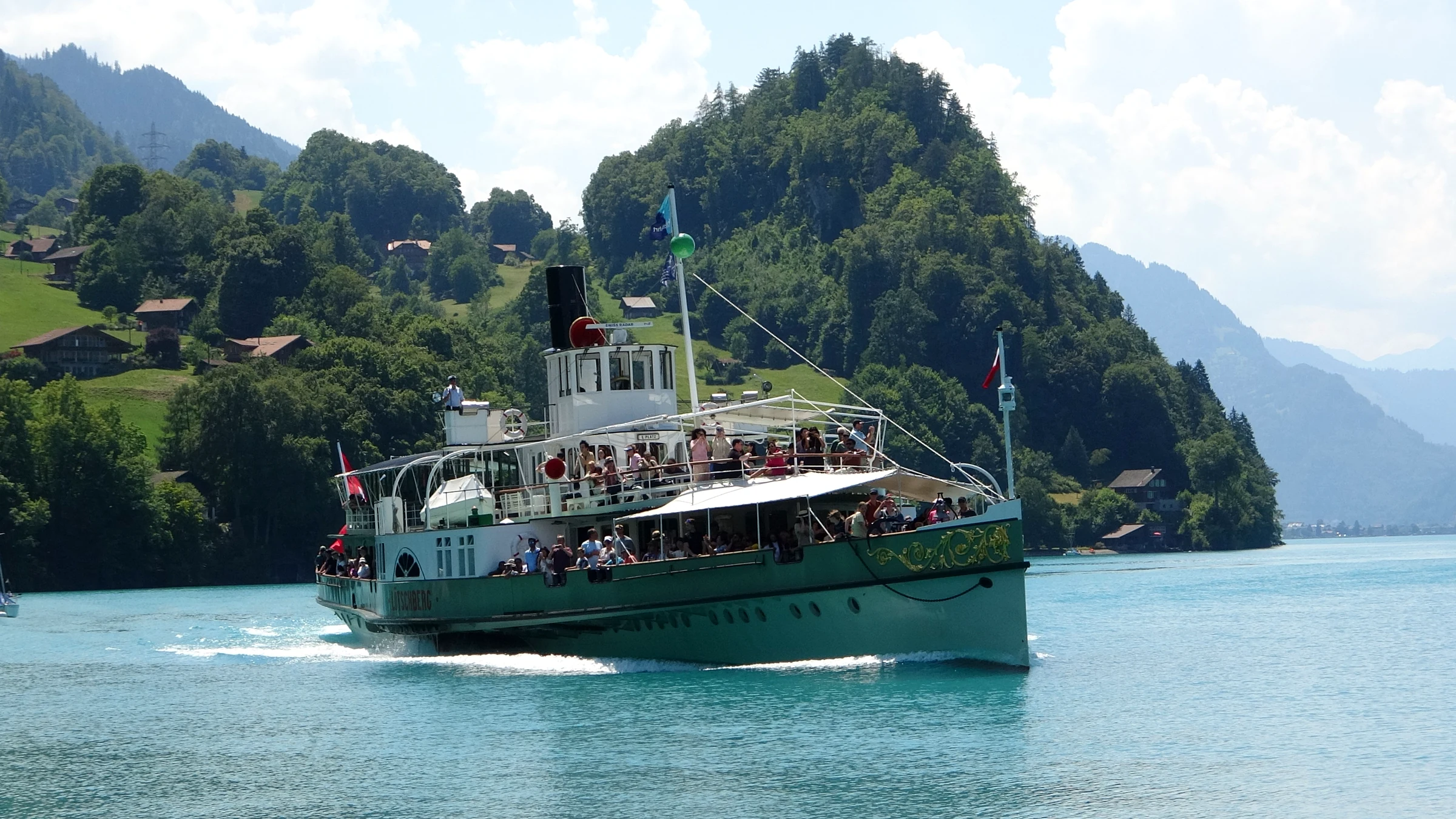
In practice that means: you get on any SBB train without a ticket, including the transfer from Zurich or Geneva Airport, the PostBus into the side valleys, the BLS boats on Lake Brienz and Lake Thun, and the scenic lines like the Luzern-Interlaken Express or the GoldenPass. The pass is an e-ticket on your phone, sold up to eleven months before the first day. It exists in two forms: the classic pass for consecutive days, and the Flex pass, where you pick your travel days freely within one month.
What it does not do is make the big mountains free. Apart from Rigi, Stanserhorn and Stoos you still pay for the cable cars and cogwheel railways, usually half price. That is the point most people underestimate, and it is the reason why the pass often loses in our calculations below.
Swiss Travel Pass prices 2026
In 2026 the Swiss Travel Pass costs CHF 254 for 3 days, CHF 399 for 6 days and CHF 499 for 15 days in second class (about US$307, US$483 and US$604). Travellers under 25 pay about 30 percent less, and the Flex version costs CHF 20 to 40 more than the consecutive pass of the same length.
| Swiss Travel Pass 2026 (consecutive) | Adult 2nd class | Adult 1st class | Youth 2nd class | Youth 1st class |
|---|---|---|---|---|
| 3 days | CHF 254 (≈ US$307) | CHF 405 | CHF 179 | CHF 285 |
| 4 days | CHF 309 (≈ US$374) | CHF 492 | CHF 218 | CHF 346 |
| 6 days | CHF 399 (≈ US$483) | CHF 634 | CHF 282 | CHF 447 |
| 8 days | CHF 439 (≈ US$531) | CHF 697 | CHF 311 | CHF 492 |
| 15 days | CHF 499 (≈ US$604) | CHF 787 | CHF 356 | CHF 557 |
| Swiss Travel Pass Flex 2026 (days within one month) | Adult 2nd class | Adult 1st class | Youth 2nd class | Youth 1st class |
|---|---|---|---|---|
| 3 days | CHF 289 (≈ US$350) | CHF 461 | CHF 204 | CHF 325 |
| 4 days | CHF 349 (≈ US$422) | CHF 555 | CHF 246 | CHF 390 |
| 6 days | CHF 424 (≈ US$513) | CHF 674 | CHF 300 | CHF 475 |
| 8 days | CHF 459 (≈ US$555) | CHF 729 | CHF 325 | CHF 514 |
| 15 days | CHF 519 (≈ US$628) | CHF 819 | CHF 370 | CHF 580 |
These prices are valid for passes starting between January 1 and December 31, 2026; they went up by about 5 percent on average at the start of 2026. Youth prices apply up to the 25th birthday. Swiss Travel System publishes them as minimum selling prices, so resellers cannot undercut them; shops only differ in fees, service and cancellation options. For a trip in 2027, check the price for your start date before you buy, because the pass is sold up to eleven months ahead.
Mountain railways: free, 50 percent or 25 percent
With the Swiss Travel Pass, Rigi, Stanserhorn and Stoos are free, most other mountain railways cost 50 percent less, and the Jungfraujoch gives 25 percent off from Grindelwald or Wengen. Because a Half Fare Card also halves most mountain railways, the pass only has a real advantage on the three free mountains and on the free valley sections.
| Mountain (2026) | Swiss Travel Pass | Example price |
|---|---|---|
| Rigi | free | Rigi day pass from CHF 84 without pass |
| Stanserhorn, Stoos | free | see operators |
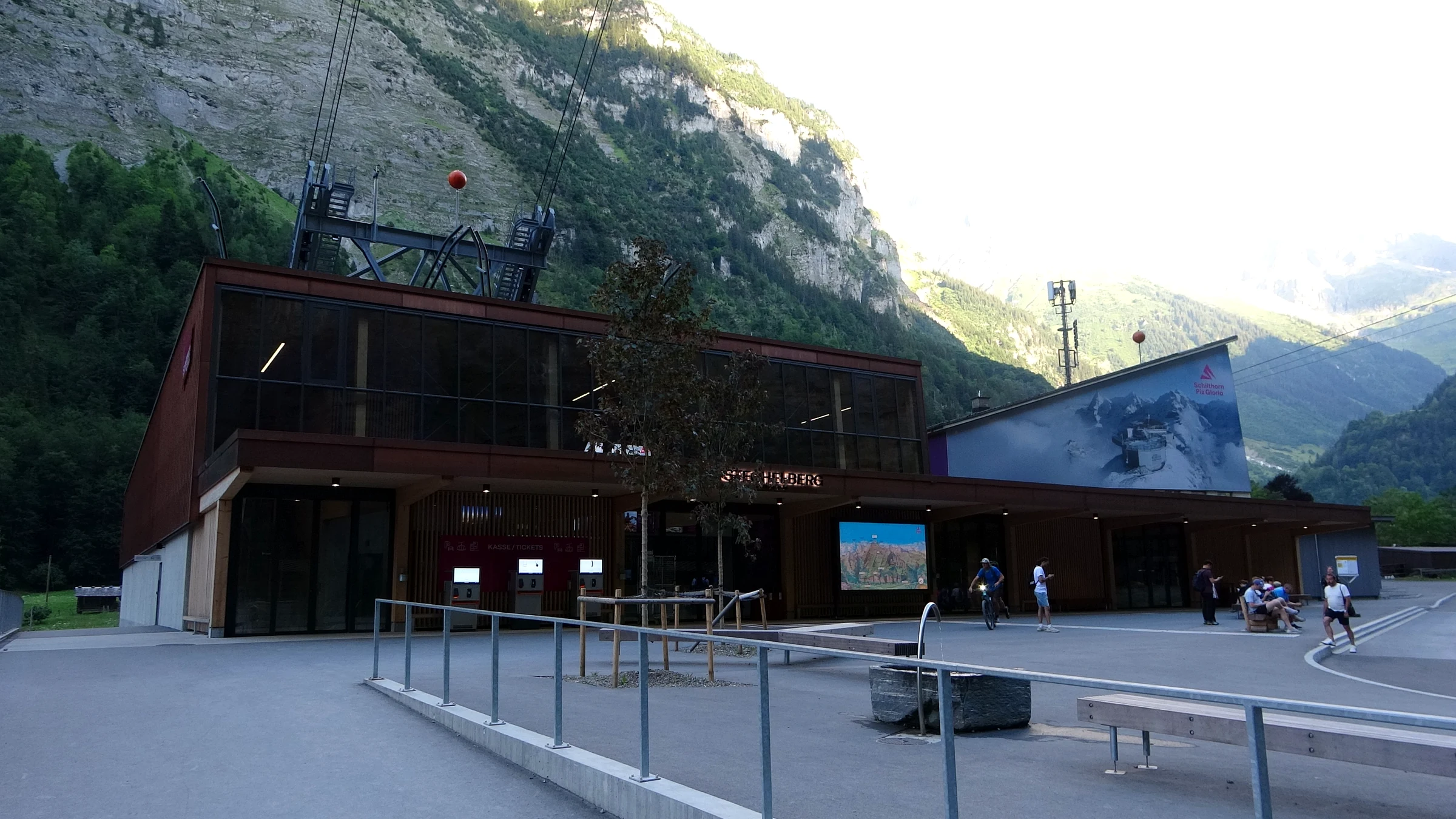
| Schilthorn from Stechelberg | Stechelberg to Mürren free, 50 percent beyond | CHF 45.70 instead of CHF 115 (Half Fare Card: CHF 57.50) |
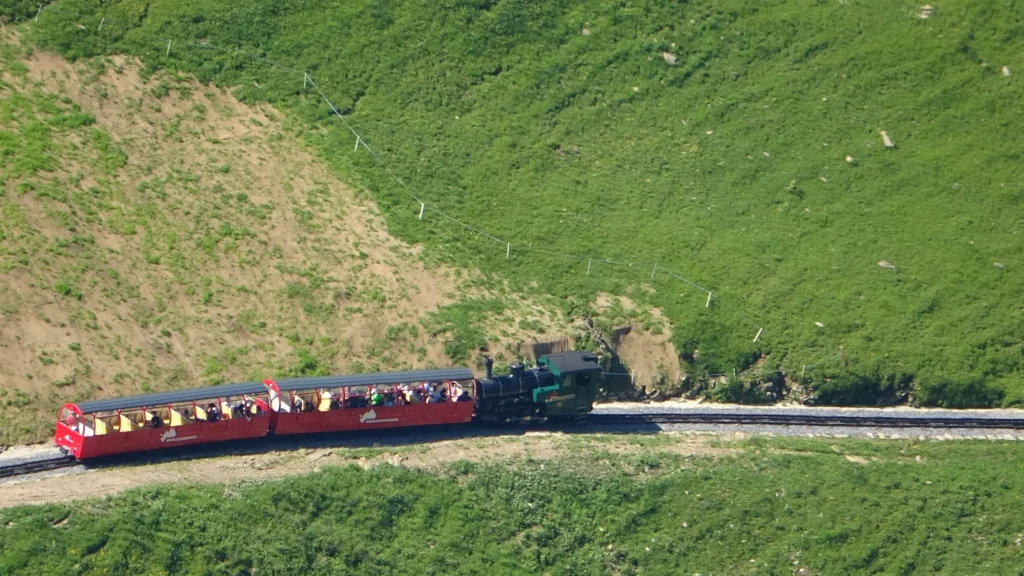
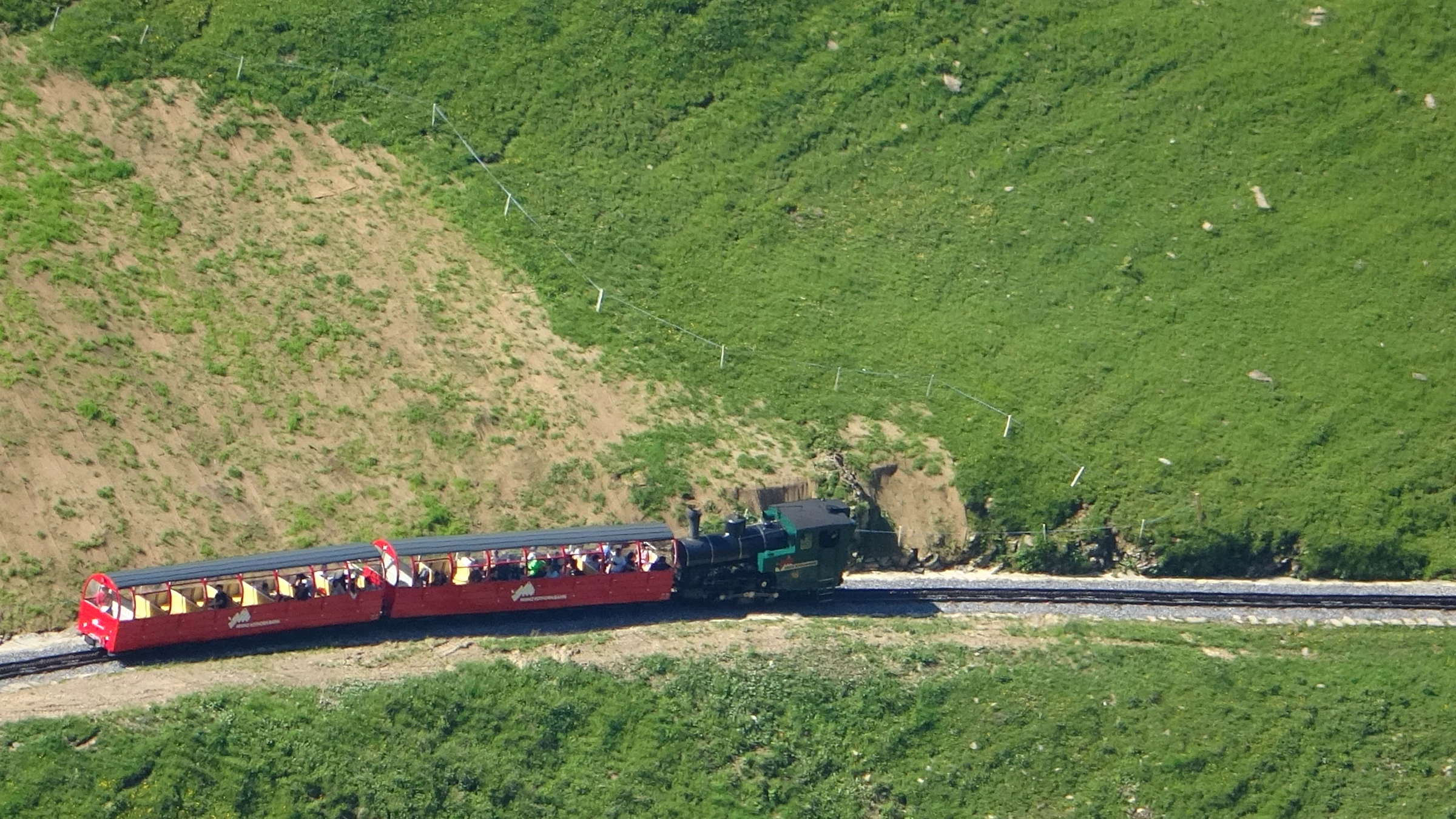
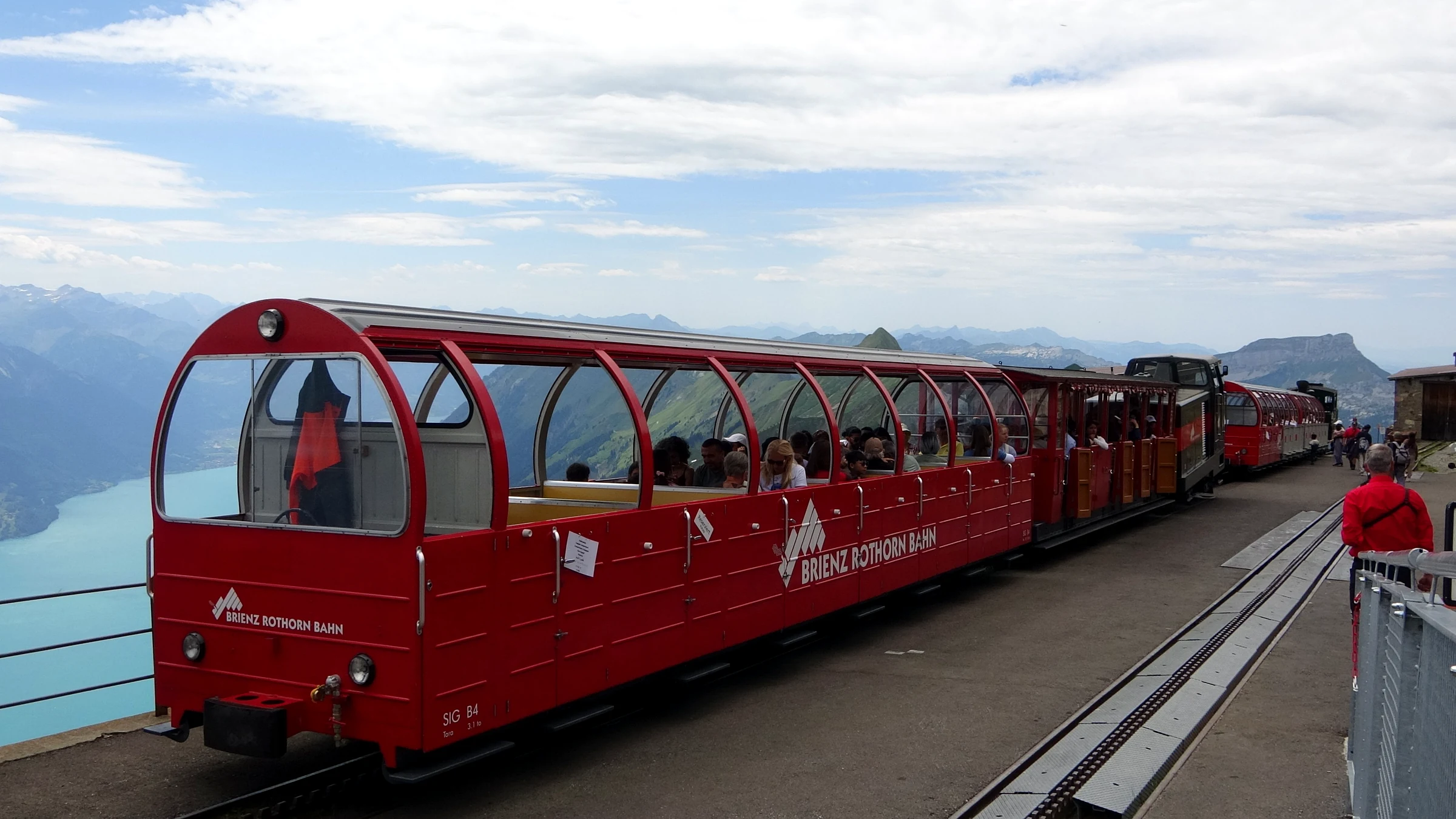
| Brienzer Rothorn, steam train from Brienz | 50 percent | CHF 49 instead of CHF 98 |
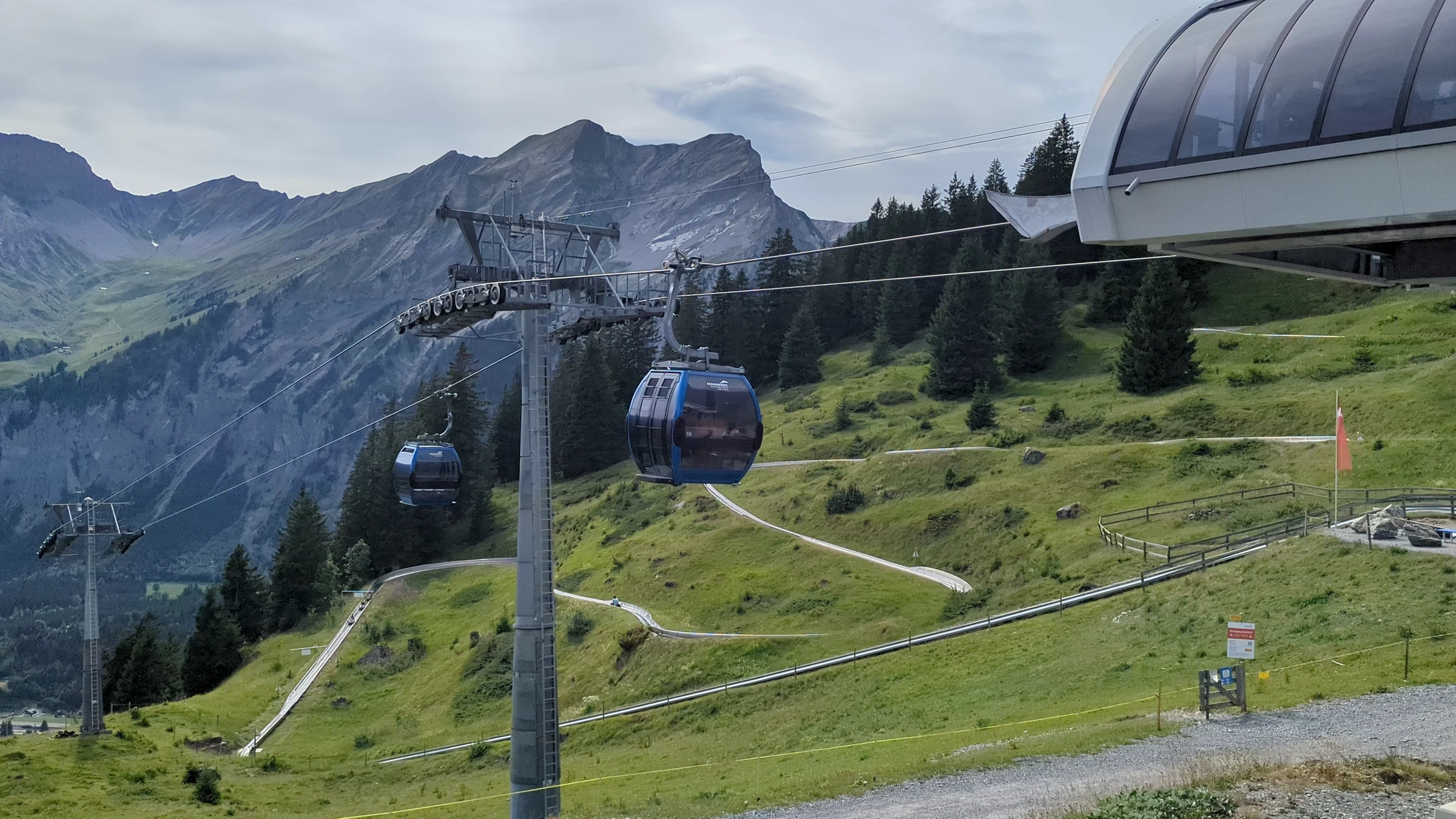
| Oeschinensee gondola | 50 percent | CHF 22.50 instead of CHF 40 in high season |
| Jungfraujoch | trains to Grindelwald and Wengen free, 25 percent off from there | return from Grindelwald Terminal from CHF 129.60 without pass |
| Pilatus, Titlis, Gornergrat, Matterhorn Glacier Paradise, Grindelwald First | 50 percent | see operators |
The Schilthorn is the best example of how the pass works: the cable car from Stechelberg to Mürren counts as public transport and is free, from Mürren to the summit you pay half. That brings the CHF 115 return down to CHF 45.70, which is CHF 11.80 better than with the Half Fare Card. At the Brienzer Rothorn both cards give exactly the same 50 percent. At the Jungfraujoch, a mandatory seat reservation for CHF 10 applies from May 1 to October 31, 2026, according to Jungfrau Railways, with or without a pass.
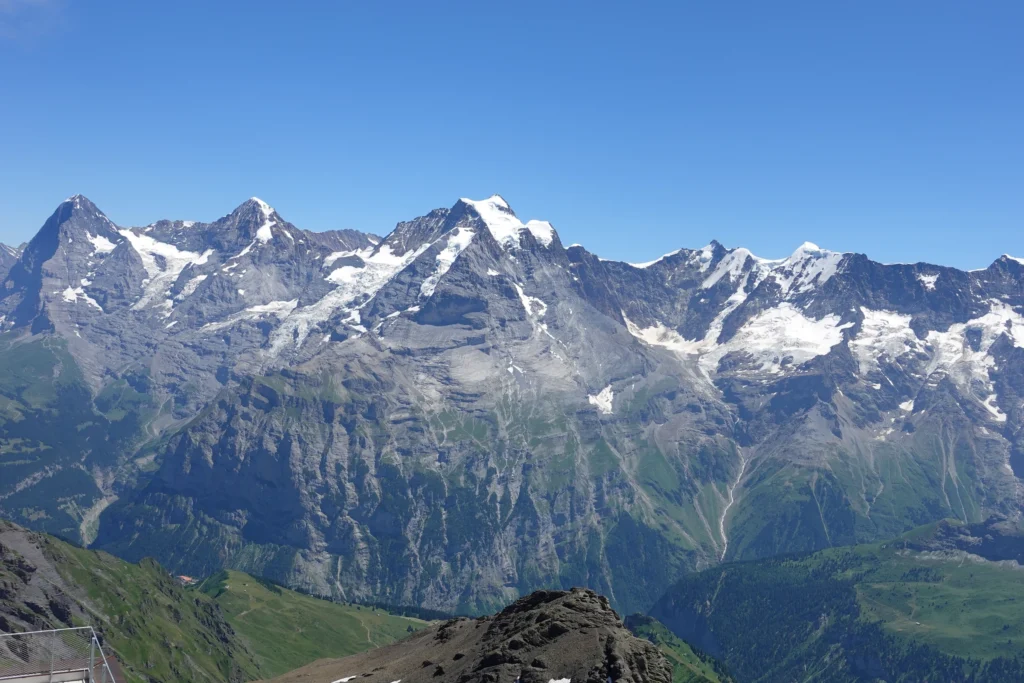
The Schilthorn day was the most expensive day of our week. We paid CHF 115 each on July 9, 2026, and stood on the summit at 13:39 when the clouds finally cleared from Eiger, Mönch and Jungfrau. With a pass that view would have cost CHF 45.70.
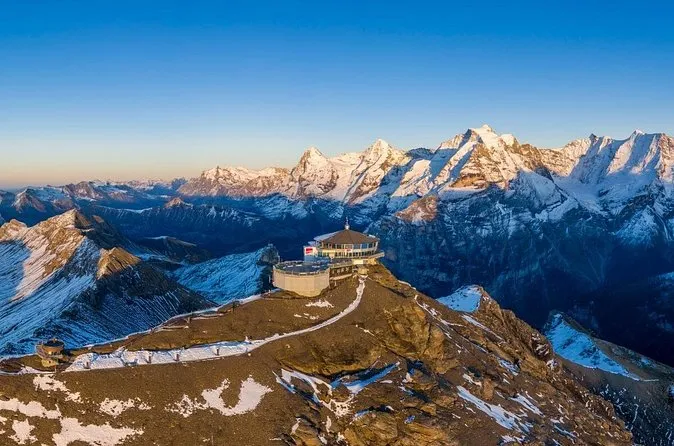
Ticket via Viator. Check which sections are included before you book: the official round trip from Stechelberg is CHF 115.
Check prices & availability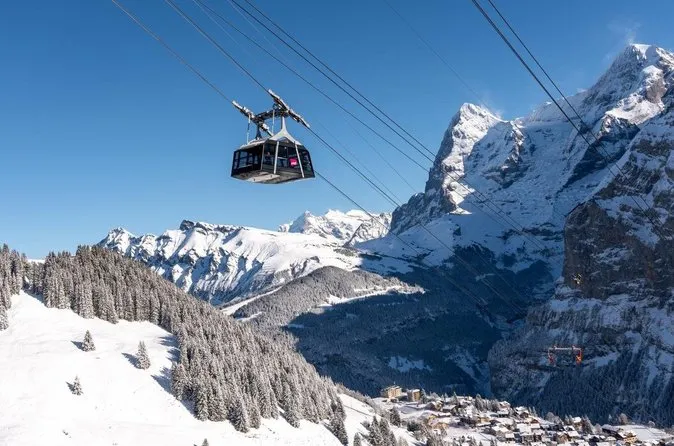
For travellers based in Lucerne who want the Bernese Oberland in one day.
Check prices & availability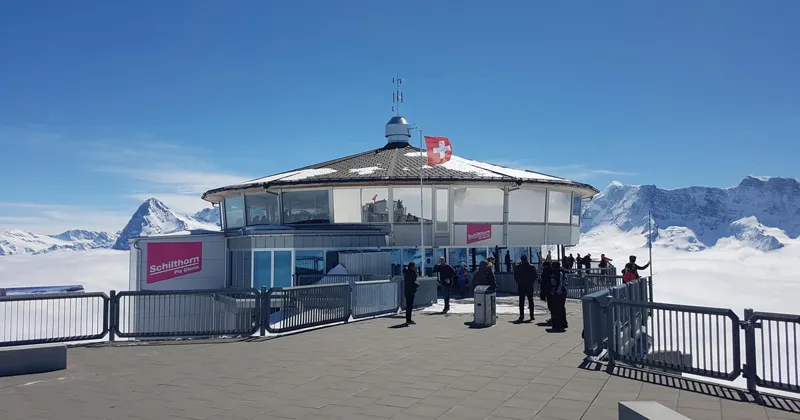
Guided half-day trip with transport from Interlaken. Good if you travel without a car.
Check prices & availabilityOur real week in the Bernese Oberland
For our own week from July 4 to 11, 2026, with a base in Brienz, the Swiss Travel Pass would not have paid off. By car it would have cost CHF 539.70 instead of the CHF 257 we paid in single tickets. For the same route without a car it would have saved only CHF 12.20, while the Bernese Oberland Pass would have saved CHF 140.40.
| Our week, per adult | By car | Same route without a car |
|---|---|---|
| Single tickets | CHF 257.00 | CHF 579.40 |
| Swiss Travel Pass, 6 days (CHF 399) | CHF 539.70 | CHF 567.20 |
| Swiss Half Fare Card (CHF 150) | CHF 302.50 | CHF 467.70 |
| Bernese Oberland Pass, 6 days (CHF 350) | CHF 431.00 | CHF 439.00 |
The reason is simple: in one region the distances are short. A train from Brienz to Lauterbrunnen costs CHF 16.40, to Kandersteg CHF 33, so six days of local travel do not add up to the CHF 399 of the pass. The regional Bernese Oberland Pass wins because it makes the Schilthorn and the Rothorn completely free, not half price. The full table with every ticket of our week is in that guide.
 PDF · 18 pages
Free PDF guide
Planning the Bernese Oberland? Don't go without this.
Our free guide, made from our own week there: the 11 places really worth your time, a ready-made 3-day route, and the pass trick that cuts the Schilthorn from CHF 115 to CHF 45.70.
- The 11 best places on one hand-drawn map, all within an hour of Interlaken
- A 3-day route that puts the Schilthorn on your clearest morning
- The ticket mistake that costs many visitors over CHF 100
- When to reach the famous Iseltwald pier before the crowds
- Every link with a QR code: use it on your phone or print it
Your free Bernese Oberland Guide
100% free · PDF straight to your inbox · Unsubscribe in one click
Example: six days from Zurich Airport
On a classic first trip of six days, flying into Zurich, staying in Interlaken and leaving via Lucerne, the Swiss Travel Pass costs CHF 493.70 in total, single tickets CHF 478.40 and the Half Fare Card CHF 388.70. So the pass loses to both.
| Day | Journey or ticket | Single, CHF | Half Fare Card, CHF | Swiss Travel Pass, CHF |
|---|---|---|---|---|
| 1 | Zurich Airport to Interlaken Ost | 77.00 | 38.50 | 0 |
| 2 | Interlaken Ost to Stechelberg return; Schilthorn | 24.80 + 115.00 | 12.40 + 57.50 | 0 + 45.70 |
| 3 | Lake Brienz boat day pass; Rothorn steam train from Brienz | 75.00 + 98.00 | 37.00 + 49.00 | 0 + 49.00 |
| 4 | Interlaken Ost to Grindelwald return | 23.60 | 11.80 | 0 |
| 5 | Interlaken Ost to Lucerne | 34.00 | 17.00 | 0 |
| 6 | Lucerne to Zurich Airport | 31.00 | 15.50 | 0 |
| Price of the card or pass | 0 | 150.00 | 399.00 | |
| Total per adult | 478.40 (≈ US$579) | 388.70 (≈ US$470) | 493.70 (≈ US$597) | |
All train fares are SBB full fares in second class for a weekday in October 2026, the boat day pass and the mountain prices are 2026 operator prices. Swap the Grindelwald day for a Rigi day from Lucerne and the pass gets better, because Rigi is free with it: single tickets then rise to CHF 538.80, the pass stays at CHF 493.70. But even if the Rigi day pass gave no discount at all with the Half Fare Card, that card would still cost only CHF 460.90.
The lesson: big mountain tickets alone do not make the pass worth it, because the Half Fare Card halves them too. What makes the pass win is a lot of train kilometres.
Travelling without a car? The Swiss Travel Pass covers trains, buses and boats across the country and gives discounts on many mountain railways. Our pass guide shows when it pays off.
Check Swiss Travel Pass pricesExample: eight days across Switzerland
On an eight-day tour from Zurich via Lucerne and Interlaken to Zermatt and back to the airport, the Swiss Travel Pass costs CHF 533.70 and saves CHF 148.10 against single tickets. The Half Fare Card ends up between CHF 490.40 and CHF 532.40, so the two are about level.
| Day | Journey or ticket | Single, CHF | Half Fare Card, CHF | Swiss Travel Pass, CHF |
|---|---|---|---|---|
| 1 | Zurich Airport to Lucerne | 31.00 | 15.50 | 0 |
| 2 | Rigi day pass | 84.00 | 42.00 to 84.00 | 0 |
| 3 | Lucerne to Interlaken Ost | 34.00 | 17.00 | 0 |
| 4 | Schilthorn day from Interlaken | 139.80 | 69.90 | 45.70 |
| 5 | Lake Brienz boat day pass and Rothorn | 173.00 | 86.00 | 49.00 |
| 6 | Interlaken Ost to Zermatt | 86.00 | 43.00 | 0 |
| 7 | Day in Zermatt (Gornergrat 50 percent with both cards) | not counted | not counted | not counted |
| 8 | Zermatt to Zurich Airport | 134.00 | 67.00 | 0 |
| Price of the card or pass | 0 | 150.00 | 439.00 | |
| Total per adult | 681.80 (≈ US$825) | 490.40 to 532.40 | 533.70 (≈ US$646) | |
The pass gains with every extra trip that is not in the table: city trams and buses in Lucerne and Zurich, a museum visit, an evening boat on Lake Lucerne, or a detour to Bern on the way. Each of those is free with the pass and only half price with the card. If you are the kind of traveller who hops on things spontaneously, the pass is worth it on a tour like this; if you plan tightly, the Half Fare Card is just as good and leaves you free to skip a day.
The two-minute rule for your own trip
The Swiss Travel Pass beats the Half Fare Card when your full-fare train, bus and boat tickets add up to more than twice the pass price minus CHF 150. Mountain railways do not count in this rule, because both cards give the same 50 percent on most of them, except the free Rigi, Stanserhorn and Stoos.
| Pass (2nd class, adult) | Price | Full-fare transport needed to beat the Half Fare Card | Per pass day |
|---|---|---|---|
| 3 days | CHF 254 | CHF 208 | CHF 69 |
| 4 days | CHF 309 | CHF 318 | CHF 80 |
| 6 days | CHF 399 | CHF 498 | CHF 83 |
| 8 days | CHF 439 | CHF 578 | CHF 72 |
| 15 days | CHF 499 | CHF 698 | CHF 47 |
How to use it: write down every train, bus and boat trip of your plan, look up the full fare in the SBB app, and add them up. Compare the sum with the table. For orientation: Zurich Airport to Interlaken costs CHF 77, Interlaken to Zermatt CHF 86, Zermatt to Zurich Airport CHF 134, but Interlaken to Grindelwald only CHF 11.80. Two or three long transfers decide the result; local trips hardly move it. If you are near the line, the extras of the pass, such as museums and city transport, can tip it.
Flex or consecutive days?
Take the Flex pass if your trip is longer than the pass and you travel on some days but stay put on others. Take the consecutive pass if you are on the move almost every day. The Flex pass costs CHF 35 more for 3 days and CHF 25 more for 6 days, and discounts on mountain railways and museums only apply on activated travel days.
A typical Flex case: two weeks in Switzerland with three long transfer days, for example Zurich Airport to Interlaken, Interlaken to Zermatt and Zermatt back to the airport. Those three single tickets cost CHF 297 at full fare, the 3-day Flex pass CHF 289, and the Half Fare Card would bring them down to CHF 298.50 including the card. The Flex saves you CHF 8, which is no reason to buy it. Much cheaper are Saver Day Passes booked early: from CHF 52 per day. For a Wednesday in late October, bought ten days before, SBB offered the Zurich Airport to Interlaken day for CHF 79, and a Saver Day Pass for Zermatt to Zurich Airport cost CHF 106 instead of CHF 134 four days ahead.
Each Flex day must be activated online at activateyourpass.com before your first journey that day. Without activation the day is not valid, so make it part of your morning routine.
Swiss Travel Pass or Half Fare Card?
For most trips that stay in one or two regions, the Swiss Half Fare Card is the better buy: it costs CHF 150 for one month, halves every ticket and most mountain railways, and you can stay as flexible as you like. The Swiss Travel Pass wins on trips with several long transfers or many spontaneous rides.
- Half Fare Card: CHF 150 (about US$182) for one month for visitors living outside Switzerland; it went up from CHF 120 at the start of 2026. It also gives 50 percent at the Oeschinensee gondola, which the Bernese Oberland Pass no longer covers since 2026.
- Swiss Travel Pass: no ticket buying at all, three free mountains, free museums and city transport. Its comfort is real: you never think about fares, which some people value more than CHF 50.
- Bernese Oberland Pass: if your week stays in the Bernese Oberland without a car, it beats both, because the Schilthorn and the Rothorn are free. Our Bernese Oberland Pass guide has the details.
You cannot combine the Half Fare Card and the Swiss Travel Pass for extra savings on the same ride, but you can combine the Half Fare Card with the regional pass to get the reduced regional price. For a short trip the combination rarely pays off.
Families and travellers under 25
Children from 6 to 15 travel free with the free Swiss Family Card when at least one parent has a Swiss Travel Pass or a Half Fare Card, and children under 6 always travel free. Because the Family Card works with both, the decision for a family is the same as for the adults alone.
Unaccompanied children aged 6 to 15 get 50 percent off the pass. Travellers aged 16 to 24 pay the youth price, about 30 percent less: CHF 282 instead of CHF 399 for six days. That lowers the break-even point clearly; with the youth pass, CHF 264 of full-fare transport over six days already beats the Half Fare Card. For a backpacker on the move, the youth pass is often worth it.
For a family of four on our six-day example, the parents decide between CHF 987.40 for two passes and CHF 777.40 for two Half Fare Cards, children free in both cases. That is a difference of CHF 210 (about US$254), which buys a lot of fondue.
What the pass does not cover
The Swiss Travel Pass does not cover seat reservations on panoramic trains, the full price of most mountain railways, the Jungfraujoch seat reservation, luggage transport or anything to do with a car. You also cannot buy it if you live in Switzerland or Liechtenstein.
- Panoramic trains: the Glacier Express, Bernina Express, Gotthard Panorama Express and Palm Express require a paid seat reservation, even with the pass.
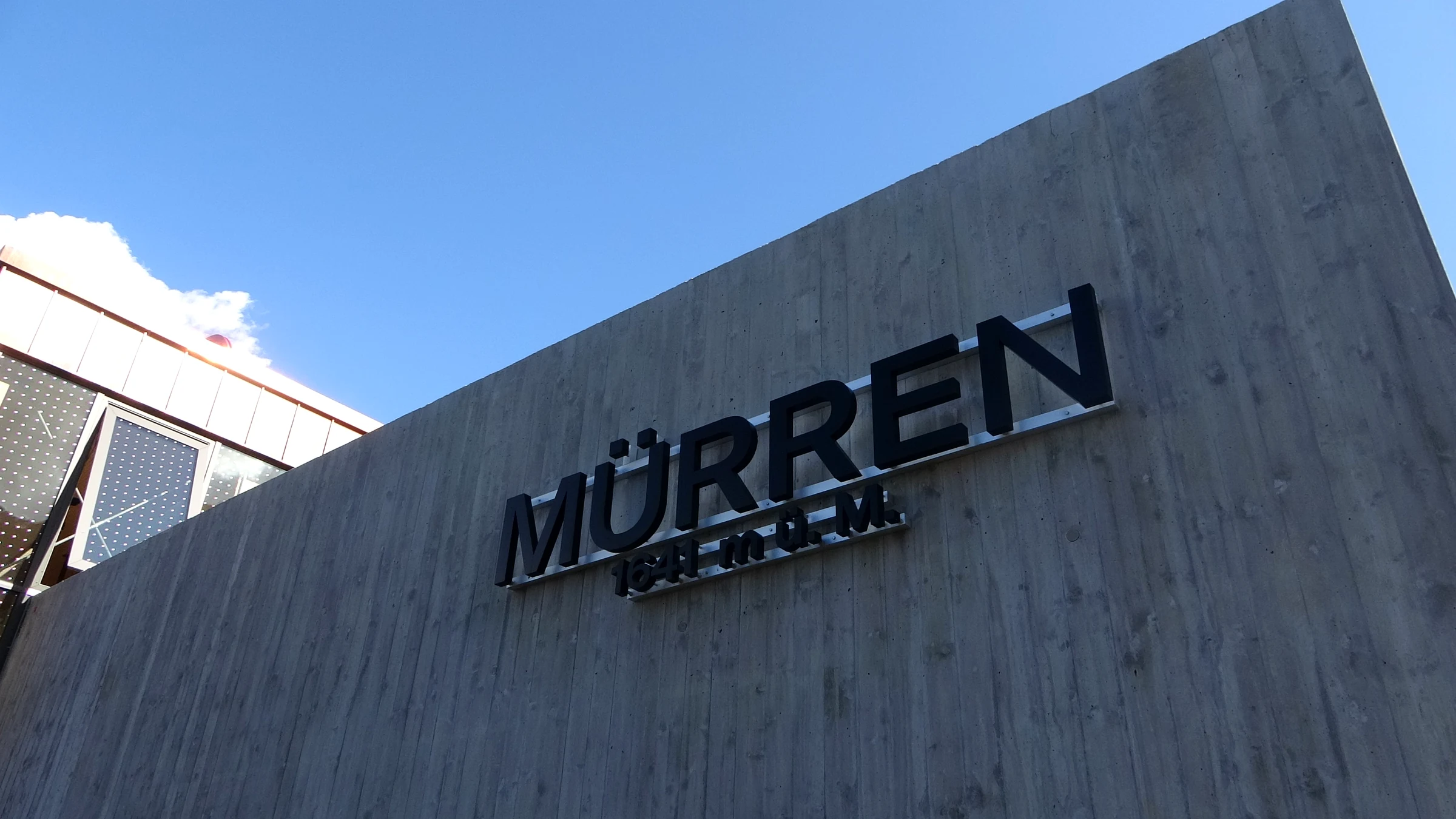
- Car-free villages: the trains and cable cars to Wengen and Mürren are included, so the pass covers the way to your hotel there.
- Luggage: the pass does not include luggage transport, but SBB’s same-day luggage services are up to 50 percent cheaper with it for travel from October 1 to December 15, 2026 (not for the Flex pass).
- Car rental and parking: obviously not included. If you rent a car for part of the trip, the Flex pass or the Half Fare Card fit better.
How to travel light between hotels and where to store bags for a day is in our guide to luggage in Switzerland. And if you arrive by plane, our guide from Zurich Airport to Interlaken compares train, transfer and rental car.
Checked out but your train or hotel is later? Leave your bags at a luggage spot in Interlaken and enjoy the day without them.
Find luggage storage in Interlaken
Our verdict
Buy the Swiss Travel Pass if you cross Switzerland by train on most days, value never buying a ticket, and add city trams, museums and free mountains like Rigi. Skip it if you stay in one region, travel by car, or plan only two or three long train days.
- Staying in one region for a week? Compare the regional pass first, in the Bernese Oberland the Bernese Oberland Pass.
- Several long transfers, like Zurich, Interlaken and Zermatt? Add up the full fares and use the two-minute rule above.
- Only a few long train days in a longer trip? Saver Day Passes or the Half Fare Card are cheaper than a Flex pass.
- Under 25? The youth pass is often worth it.
- Driving? Buy single tickets, as we did.
For our next trip without a car, staying in Brienz again, we would buy the Bernese Oberland Pass, not the Swiss Travel Pass. If we flew in and toured the country for ten days, we would take the 8-day pass. What a full week costs beyond transport, from dinner to parking, is in our guide on how expensive Switzerland is.
More ideas for a rainy or slow day: mountain railways, museums and attractions around Interlaken with instant mobile tickets.
See attraction tickets around InterlakenTravelling without a car? The Swiss Travel Pass covers trains, buses and boats across the country and gives discounts on many mountain railways. Our pass guide shows when it pays off.
Check Swiss Travel Pass pricesFAQ: Swiss Travel Pass
How much is the Swiss Travel Pass in 2026?
In second class CHF 254 for 3 days, CHF 309 for 4 days, CHF 399 for 6 days, CHF 439 for 8 days and CHF 499 for 15 days. The Flex version costs CHF 289 to CHF 519, travellers under 25 pay about 30 percent less.
Is the Jungfraujoch included in the Swiss Travel Pass?
No. The trains to Grindelwald and Wengen are free, from there you get 25 percent off. A seat reservation for CHF 10 is mandatory from May 1 to October 31, 2026.
Is the Swiss Travel Pass worth it for Zurich Airport to Interlaken?
Not for that ride alone: the single ticket costs CHF 77. If your arrival is the first of several long train days, the transfer becomes part of the pass and helps it pay off.
Swiss Travel Pass or Half Fare Card?
For trips in one or two regions the Half Fare Card is usually cheaper; in our six-day example by CHF 105. The pass wins on tours with many long transfers.
Is the Schilthorn free with the Swiss Travel Pass?
No, but it costs CHF 45.70 instead of CHF 115 from Stechelberg, because the section to Mürren is free and you get 50 percent off from Mürren to the summit.
Do children need a Swiss Travel Pass?
No. Children from 6 to 15 travel free with the free Swiss Family Card if a parent has a pass, and children under 6 always travel free.
Before you buy, put your own route into the two-minute rule. Our Bernese Oberland guide has the prices of every place we visited, and all other planning topics are in good to know. For more Swiss trips, start on the Swiss Detours home page.
Your free Bernese Oberland Guide
Join the Swiss Detours newsletter and get our Bernese Oberland Guide as a free PDF. After that, we send you new travel tips for Switzerland from time to time. Unsubscribe anytime with one click.